For Patients
Patient Resources
Patient Resources

Dedicated to treating and empowering patients
experiencing or at risk for blindness

ATSENA THERAPEUTICS is dedicated to improving the quality of life of patients with inherited retinal disease. Our gene therapy programs aim to reverse or prevent blindness in patients with X-linked retinoschisis (XLRS), GUCY2D-associated Leber congenital amaurosis (LCA1), MYO7A-associated Usher Syndrome Type 1B (USH1B), ABCA4-associated Stargardt disease, and multiple undisclosed indications.

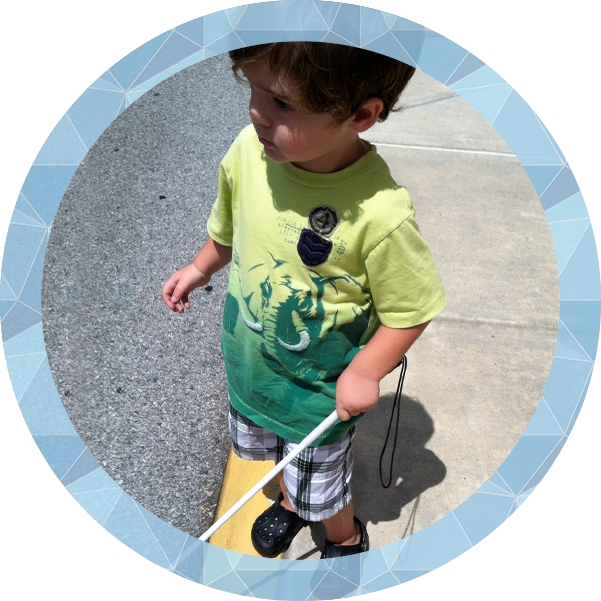
XLRS

X-linked retinoschisis (XLRS) is a genetic condition that causes progressive vision loss in boys and men, typically diagnosed in childhood. Atsena’s ATSN-201 is the first XLRS gene therapy to demonstrate reversal of structural damage to the retina and improvements in visual function in a clinical trial and is being evaluated in a pivotal Phase 3 trial.

LEARN MORE

X-linked Retinoschisis

LCA1

GUCY2D-associated Leber congenital amaurosis (LCA1) is a genetic eye disease that affects the retina and results in early and severe vision impairment or blindness. Our Phase 1/2 clinical trial has evaluated a gene therapy, known as ATSN-101 for LCA1, which is now advancing toward a global pivotal Phase 3 clinical trial in partnership with Nippon Shinyaku Co., Ltd. We look forward to sharing updates on the advancement of this program.

LEARN MORE

Leber Congenital Amaurosis 1

USH1B

MYO7A-associated Usher syndrome (USH1B) is an inherited disease that affects the retina and the inner ear. We are evaluating ATSN-301, a dual AAV vector-based gene therapy, to prevent blindness from USH1B. This program has completed preclinical studies, and we are planning to advance ATSN-301 into a Phase 1/2 clinical trial.

LEARN MORE

Usher Syndrome 1B

STGD

Stargardt disease is a juvenile form of macular degeneration caused by mutations in the ABCA4 gene, affecting approximately 60,000 patients in the US and EU. Because ABCA4 is too large for a single AAV vector, Atsena is leveraging both dual vector technology and AAV.SPR to address the payload and delivery challenges unique to this disease.

LEARN MORE

Patient Resources

While we develop life-changing gene therapies for inherited retinal diseases, we are committed to supporting patients and families affected by vision loss. Here are a few non-profit organizations that offer helpful resources to patients and families affected by inherited retinal diseases.


The mission of the Foundation Fighting Blindness is to drive the research for treatments and cures for inherited retinal diseases and bring together a passionate network of families to support this mission. Some of the Foundation’s valuable resources to support patients and families impacted by inherited retinal diseases are below.

Educational Videos
Learn all about inherited retinal diseases, genetics, clinical trials, and related topics by watching or listening to the Foundation’s An Eye on Education video series.

Strength Through Communities
Find your local Foundation Fighting Blindness Chapter to connect with others impacted by inherited retinal disease, get access to local resources and learn how you can support the Foundation.

Genetic Testing
Learn more about genetic testing for inherited retinal diseases and how you may be able to receive genetic testing at no cost to you. Accurate and accessible diagnosis is critical to getting the treatment you need.

My Retina Tracker® Registry
With the goal of accelerating research and cures, the My Retina Tracker® Registry is a research database of people and families affected by rare inherited retinal degenerative diseases.

Low Vision Resources
Explore the latest advancements in vision-loss technology and disability and accessibility resources.


Logo for Hope in Focus

Hope in Focus is dedicated to generating awareness, raising funds for research, and providing support, education and outreach to the Leber congenital amaurosis (LCA) and rare inherited retinal disease community. A few of the great resources offered by Hope in Focus are below.

Family Connections
Sometimes you just want to talk to someone who is in the same situation as you. Hope in Focus can help those with Leber congenital amaurosis (LCA) connect with another family or individual by phone or email.

Let’s Chat About…
Watch webinars from this free web series in easy-to-digest 30 to 40-minute Q&As with subject matter experts.

Atsena’s head of patient advocacy Kara Fick and founder Shannon Boye, PhD, participated in a Hope in Focus “Let’s Chat About…” webinar to discuss our approach to gene therapy and work in LCA. A replay can be viewed here.


Logo for Usher Syndrome Coalition

The Usher Syndrome Coalition is the core of the global Usher syndrome community, working to connect those living with Usher syndrome to resources, research, and each other. The Coalition uses the power of two data collection tools to build the Usher syndrome community, leading to a better understanding of Usher syndrome, improved quality of life, and treatments for hearing, vision, and balance issues associated with Usher.

USH Trust
The USH Trust is the largest international contact database of individuals with Usher syndrome, and our most powerful tool to connect, inform, and support individuals within the Usher community. Those who join the USH Trust are also the first to learn about the latest research opportunities.

Usher Syndrome Data Collection Platform
Individuals with Usher syndrome who are passionate about research are invited to join the Usher Syndrome Data Collection Platform, or USH DCP, hosted by RARE-X. Health information entered into this secure platform will become part of a global database of de-identified information available to researchers worldwide. As the DCP grows, more researchers will become aware of Usher syndrome, leading to the development of clinical trials and treatments for the vision loss, hearing loss, and balance issues associated with Usher syndrome.

USH Blue Book
The USH Blue Book is a private email group created to connect individuals with Usher syndrome, family members, and friends in a global network of support.

USH Yellow Book
A centralized directory of professionals worldwide, listed by location and profession.


Usher Syndrome Coalition Discord Server
Were you recently diagnosed with Usher syndrome? Are you looking to connect with others in the Usher community quickly and in real-time? The Discord Server is a private, accessible, online space where you can meet and chat with others.


The Carroll Center for the Blind is the foremost leader in vision rehabilitation services for people of all ages and all stages of vision loss. Their mission is to empower those who are blind or visually impaired to achieve independence and to lead a fulfilling life.

Carroll Center programs are available on their campus in Newton, MA, in the community, and remotely, and are provided at no cost to their clients. Services include orientation and mobility, assistive technology, low vision, vocational training, independent living, adjustment counseling, school-based education, youth summer programs, and more.

To inquire about Carroll Center services, please contact 617-969-6200 x216 or [email protected].


To learn about gene therapy for inherited retinal diseases, click here to view an infographic from the American Society of Gene & Cell Therapy.


Contact Us

If you are interested in learning more about our activities within the patient community or wish to contribute ideas or questions, please reach out to our Patient Advocacy team at [email protected].

accessibility optionsAccessibility
Text Size
A
A